
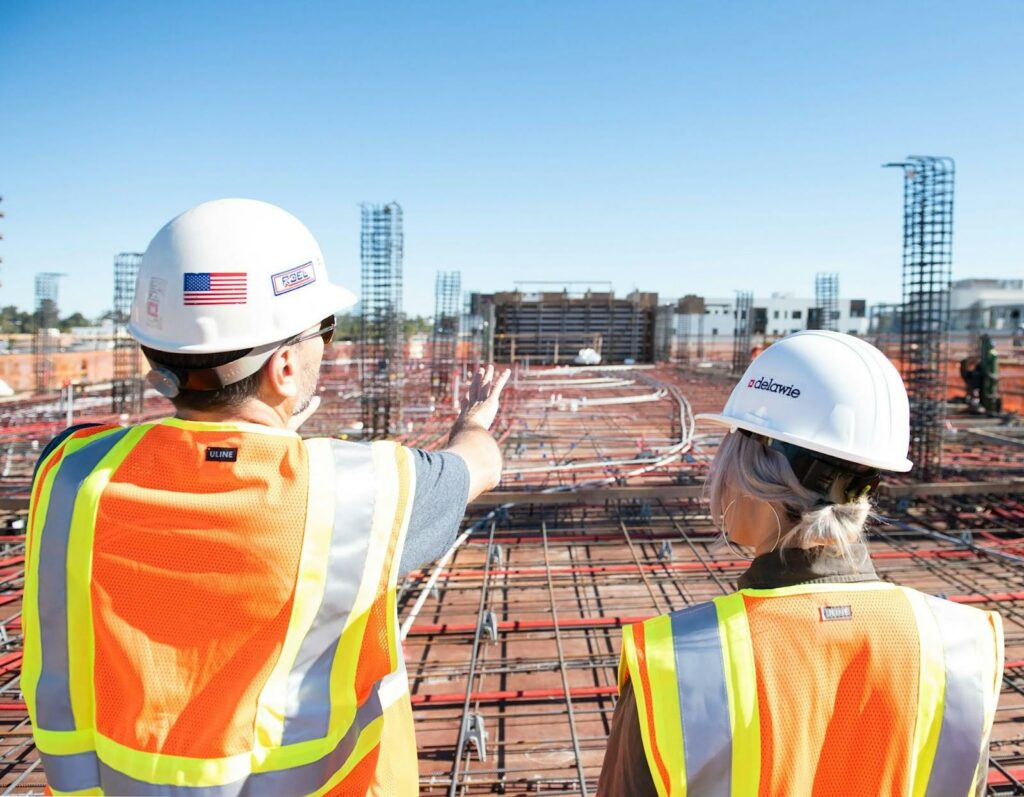
(Image Source: Unsplash)
Building a home has always been complicated and full of surprises. Digital technology is changing that. Software has reshaped how the construction industry approaches home building and made the whole process faster and more dependable from start to finish.
Manual planning, slow coordination, and surprise budget overruns are giving way to precise, well-organized work backed by innovative software. The result is a build that stays closer to plan and to budget.
This article looks at how these tools are changing home building, and at the real benefits they give builders and their businesses. The gains show up across design, cost, teamwork, and even the environmental footprint of a project.
The Rise of Digital Tools in Home Building
Deloitte notes that only 1.2% of construction revenue is allocated for IT — still well below the 3.5% average across all industries. Even so, the shift toward digital work is under way now.
Construction is moving away from traditional, often cumbersome methods toward a more digital way of working.
The Digital Transformation Wave
This change goes beyond buying new technology. It rethinks how homes get designed, planned, and built.
Digital tools now sit at the center of that work. They help builders move faster, cut errors, and keep every stakeholder on a project working together. Fewer errors early on means fewer expensive fixes later, and clearer records mean less time spent chasing missing information. The same wave reaches the building materials industry, where advances in materials technology are becoming part of the story too.
Innovations Leading the Charge
A few categories of software are setting the pace for a more precise approach to home building:
- Advanced CAD Software: Lets architects develop detailed, accurate plans and change them quickly.
- Project Management Tools: Track tasks in real time, keep communication clear, and manage resources across the job so execution stays on schedule.
- Site Plan Software: Adds precision to land use and layout planning, so space on a site is allocated and used well.
Enhancing Design and Planning with Technology
Digital tools have changed the design and planning phase of home building more than any other stage.
They speed up architectural and engineering work, and they open room for customization that used to be hard to reach.
Design software gives a level of precision that earlier methods could not match. Architects and engineers can draw detailed, accurate plans and adjust them to fit a specific client request or an unexpected problem on site, without redrawing everything by hand.
Site plan software has changed how builders handle land use and spatial planning. Accurate site layouts help teams use space well, meet zoning laws and regulations, and plan the project as a whole. Catching a compliance issue on screen is far cheaper than discovering it once crews are already on the ground.
These gains at the design and planning stage matter a great deal. They make the build more efficient, more affordable, and more focused on what the client actually wants before a single wall goes up.
The Impact of Software on Efficiency and Cost
Digital tools have improved both efficiency and cost control on construction jobs.
Project management software lets builders oversee many parts of a job at once — scheduling, budgeting, communication, and resource allocation. That keeps the work moving and cuts the risk of costly delays and budget overruns.
Software has also sharpened cost estimation and materials management. Builders can predict project costs more accurately, track expenses as they happen, and manage resources with less waste.
These capabilities help reduce project overspending by giving teams more visibility and control over financial decisions.
That kind of financial oversight is what keeps a project on budget and financially sound. When a builder can see where money is going week by week, small overruns get caught before they grow into large ones.
Improving Collaboration and Communication
One of the clearest wins from going digital is better collaboration and communication. Shared platforms let architects, builders, clients, and other stakeholders work together and stay aligned as the project moves along.
Cloud-based tools add real-time updates and feedback, so a change made by one party is visible to the rest right away. That shared view strengthens the joint effort and helps the project succeed.
Sustainable Building Through Innovation
Digital tools also support sustainability in construction. Software that helps builders choose sustainable materials and energy-efficient designs is catching on, so teams can build homes that look good, work well, and go easier on the environment.
That focus is good for the planet, and it also appeals to a growing group of homeowners who want eco-friendly living spaces and lower running costs over the life of the home.
Key Digital Tools and Their Impacts
| Software Type | Functionality | Impact on Home Building |
| CAD Software | Architectural and engineering design | Reduces errors, enhances design precision |
| Project Management | Task tracking, resource management, communication | Streamlines projects, cuts costs, improves efficiency |
| Site Plan Software | Land use and layout planning | Optimizes space use, ensures regulatory compliance |
| BIM (Building Information Modeling) Software | 3D modeling of buildings that integrates with information about construction and design | Facilitates better planning and coordination, reduces construction waste and time |
| CRM (Customer Relationship Management) Software | Manages interactions with current and potential clients | Improves customer satisfaction and streamlines sales processes |
| Construction Estimating Software | Estimates the cost of construction projects | Increases accuracy in budgeting, reduces financial risks |
| Sustainability Analysis Software | Analyzes and predicts the environmental impact of buildings | Promotes eco-friendly building practices, aids in achieving green certifications |
Remember…
The digital shift in home building is bringing real change and real benefits for builders and their clients.
As the industry keeps changing, builders who adopt these tools will be better placed to stay competitive and meet what modern homeowners expect.
