
The physical therapy and musculoskeletal care industry now brings in $52 billion. Clinics across the field are speeding up their operations and working smarter by using healthcare SaaS tools. Medical billing remains a big hurdle for physical therapy clinics: insurance providers pay back only 20-30% of what’s billed, and payments often take over 90 days to arrive.
SaaS platforms built for physical therapy clinics help address these problems. These tools make it simpler to manage EMRs and untangle complex CPT and ICD-10 codes. The improvements show up directly in the numbers: clinics adopting these systems report higher success rates for claims, insurance reimbursements up more than 30%, and receivables collected around 40% faster.
Experts expect physical therapist job openings to grow 15% over the next decade, which makes simplifying medical billing all the more crucial to helping practices keep up. The healthcare Software as a Service market is on a similar trajectory: projections show it could reach $51.7 billion by 2028, growing at a yearly rate of 19.5% from 2021 to 2028.
What is SaaS, and how does healthcare use it?
SaaS platforms have driven major changes across multiple industries. Healthcare organizations now rely on them to expand access and improve how they operate, and physical therapy clinics can upgrade how they work by learning about SaaS and putting it to use in day-to-day operations.
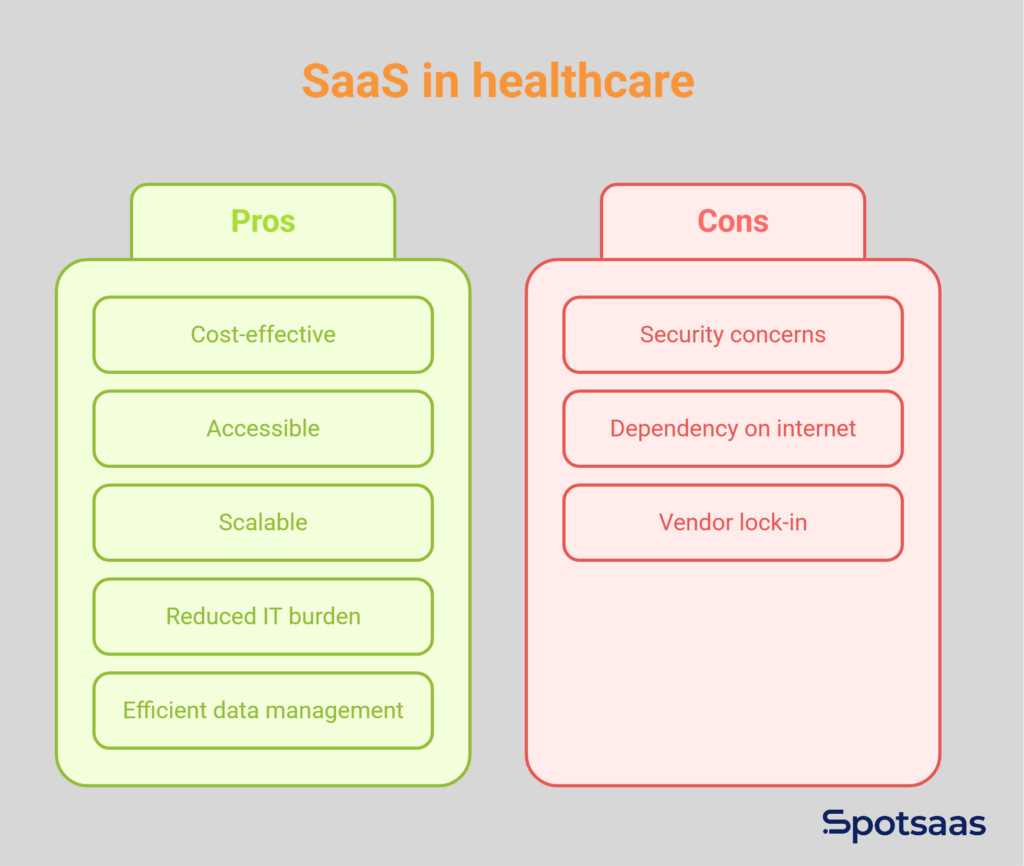
Explaining healthcare SaaS technology
Healthcare providers access cloud-based apps through web browsers or mobile devices. Unlike older software, this approach skips the need to set anything up on local servers, avoiding the hassle of managing complex systems on-site.
The healthcare software-as-a-service market keeps expanding fast. Experts estimate it will hit $48.78 billion by 2028, growing at a yearly rate of 18.8%. In the early days, people doubted its safety, but better security has helped this technology earn trust over time.
With this subscription setup, healthcare organizations control their apps without relying on costly hardware or large IT teams. The idea is straightforward: pay monthly or yearly fees for access to the software, and updates and maintenance happen on the provider’s side.
Why SaaS Works Well for Physical Therapy Clinics
Physical therapy clinics deal with specific challenges that make SaaS tools a strong fit.
- Cost-effectiveness – Clinics with limited budgets find this appealing since subscription fees are consistent and avoid large upfront spending on hardware or software licenses.
- Accessibility and flexibility – Staff can access tools like patient records, schedules, and billing details from anywhere with internet access, supporting work both in the clinic and beyond it.
- Scalability – Practices can expand by adding new users, more locations, or extra features without overhauling their existing IT systems.
- Reduced IT burden – Since SaaS providers manage updates, security, maintenance, and compatibility, clinic staff can put their effort toward patient care instead of tech upkeep.
SaaS tools handle key tasks in PT clinics, including electronic medical records, scheduling appointments, patient portals, and billing steps. These tools make data easier to manage and help clinics run more efficiently.
Smaller clinics with fewer resources can now use advanced technology without spending a fortune, giving more practices access to tools that improve both patient care and admin workflows without a large upfront investment.
Making Medical Billing Easier With Automation
Medical billing is one of the hardest parts of running a physical therapy clinic day to day. Newer healthcare SaaS platforms bring in automated billing features that cut down on manual work.
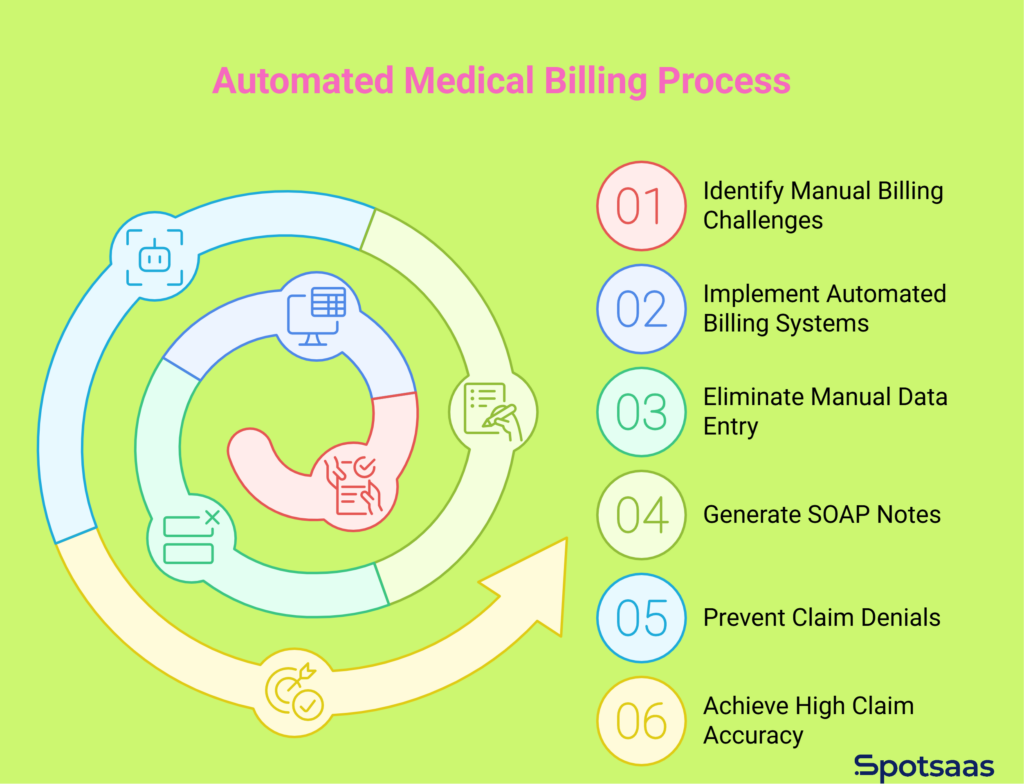
Getting rid of manual data entry
Every year, healthcare staff fill out close to 20,000 forms. This process costs a lot and leads to mistakes that waste time. Around 26% to 39% of healthcare workers run into problems with manual data entry because they struggle to locate the information they need.
Platforms like SpryPT and other healthcare software fix this by connecting EMRs with billing tools. These programs verify CPT codes and remove the need to enter data twice.
This reduces claim errors and keeps cash flow consistent. The system combines billing, scheduling, and documentation, which keeps teams coordinated instead of working from separate, disconnected records.
SOAP notes and billing codes created
Modern healthcare SaaS provides tools that generate documentation. Platforms like SOAPNoteAI use quick notes, voice clips, or recorded sessions to produce detailed SOAP notes, cutting down the time therapists spend on paperwork so they can focus more on patients.
Tools such as AutoNotes connect treatment plans to documentation and can add progress goals and evidence-based methods to notes. Physical therapy documentation software also captures objective data shared during sessions and organizes ROM scores or strength tests.
Using AI tools to prevent claim denials
AI-powered tools are improving claim acceptance rates. Today’s systems:
- Check claims against payer-specific rules before submission.
- Resubmit denied claims after making corrections.
- Categorize claims based on value and likelihood of payment.
These technologies analyze previous data to flag claims likely to be denied, so adjustments can be made beforehand. One health system achieved 98% claim submission accuracy with automation, compared to 80% when done manually.
They also cut denials by 89%. Experian Health explains that using AI in claims processing catches mistakes, which helps stop denials before they happen.
Advantages of SaaS platforms to run physical therapy clinics
Physical therapy clinics that switch to healthcare SaaS platforms gain more than ease of use. These systems solve several problems at once, simplifying workflows and helping improve patient outcomes across the whole practice.
Better adherence to CPT and ICD-10 codes
Modern SaaS tools offer a better way to manage coding through smart alerts that warn users when patient details are incorrect or payer rules aren’t met. For example, SpryPT’s platform flags providers if they try submitting more than three billing units for a patient’s insurance, or if some payers reject coverage for therapeutic exercise.
It even pulls diagnosis codes from earlier visits, so changes are only needed when necessary. Some tools also use proprietary Intelligent Coding Engines to help secure higher reimbursements and submit error-free claims.
Simplified EMRs and billing integration

Physical therapy electronic medical records link with practice management software, creating a streamlined system that reduces how much administrative work needs to get done. This constant link sends billing details straight from EMRs to payment platforms.
It makes the process easier, and claims get handled faster and with fewer errors. SaaS solutions let therapists finish daily notes in 1 to 2 minutes and initial evaluations in 5 to 7 minutes, so staff can dedicate more of their time to caring for patients instead of dealing with forms.
Enhancing patient care with digital solutions
Healthcare SaaS tools increase patient engagement by offering:
- Online scheduling that lets patients book, cancel, or reschedule appointments anytime.
- Automated messages through SMS or email that remind patients about appointments and reduce missed visits.
- Mobile apps that let patients set goals, get exercise alerts, and monitor their progress.
These tools make physical therapy easier to access and more flexible. Telehealth makes it possible to get care anywhere with internet access, so patients don’t have to worry about traveling to a clinic for every visit.
Stronger safeguards for cybersecurity and data privacy
On average, healthcare data breaches result in a $9.23 million loss per incident, which makes strong security measures crucial. Top SaaS companies store information in facilities that follow HIPAA rules and carry SSAE 16 Type II certification.
They rely on 256-bit SSL encryption and enforce strict password rules. Physical therapy billing tools must comply with HIPAA to protect patient health data and meet PCI DSS to ensure safe payments, with encryption used end-to-end on all channels to block unauthorized access.
What’s next: SaaS and its role in physical therapy’s future
The healthcare SaaS market is growing fast, and experts expect it to hit $51.7 billion by 2028 at a compound annual growth rate of 19.5%. Physical therapy clinics will see sweeping changes as SaaS tools introduce features that rework how clinics operate.

To scale with growing practices
SaaS tools now focus on meeting the needs of physical therapy clinics, whether large or small. These platforms let businesses grow when needed or adjust operations when necessary. Platforms like SpryPT bring tools that standardize workflows for clinics with multiple locations.
They keep practice data organized in one system, which helps maintain quality of care, follow rules, and guide leadership decisions at both local and broader levels of the organization.
Blending telehealth with remote care
Telehealth now serves as an important income stream for physical therapy clinics. Many SaaS platforms provide enhanced telehealth tools with features such as automated coding using POS 02 and 95 modifiers, making billing for virtual services less complicated.
Therapists can assist patients who struggle with movement or need monitoring after surgery. Using telehealth, clinics are able to “maximize reimbursement and boost their total earnings,” which helps balance out growing expenses in other areas.
Using data insights to grow clinics
Modern SaaS platforms for physical therapy have reshaped clinic operations. They now offer:
- AI-driven analytics that use past billing details to forecast upcoming revenue.
- Systems that monitor changes in patient health in real time.
- Personalized dashboards that display performance statistics for different locations.
These tools help clinics decide how to allocate resources, make investments, and identify growth opportunities. By reviewing billing systems that handle insurance claims and improving revenue collection, clinics can process payments faster and avoid losing money to preventable mistakes.
Conclusion
Physical therapy clinics struggle with medical billing and operational efficiency day in and day out. Healthcare SaaS platforms address these problems through specialized automation tools that cut down manual data entry, generate accurate documentation automatically, and use AI-driven validation to reduce claim denials.
The advantages go well beyond convenience. These platforms help clinics follow complex CPT and ICD-10 coding requirements. The continuous connection with EMR creates simplified processes that let therapists focus on patient care instead of paperwork. Patients get better service through digital scheduling, reminders, and progress tracking tools, and strong security measures keep sensitive healthcare data safe.
Physical therapy practices that adopt SaaS technology have a genuinely bright future ahead. Multi-location expandable solutions, telehealth integration, and informed analytics will drive that progress. Physical therapy clinics should see SaaS platforms as key partners in growth rather than optional tech upgrades.
Healthcare SaaS is changing how physical therapy practices run their operations day to day. Clinics using these technologies can succeed despite industry challenges like low reimbursement rates and delayed payments. The growth seen in both the physical therapy market and the healthcare SaaS sector shows that technology will keep advancing to serve this crucial field.
