

Shallow work connections tend to fade fast. Building relationships that actually last takes more intention, but it pays off throughout your career — in the projects people invite you onto, the references they’re willing to give, and the day-to-day experience of actually enjoying your job.
Whether you’re an experienced networker or someone who finds it harder to connect with colleagues, this guide walks through practical, research-backed ways to build professional relationships that hold up over time. None of it requires a personality change — just a handful of habits applied consistently.
Why Good Work Relationships Are Important With Colleagues
Having good relationships with colleagues at the workplace matters for several reasons:
- Increased productivity: When colleagues get along and work well together, they tend to be more productive. They collaborate more effectively, share ideas, and work toward common goals, which leads to better outcomes and greater success for the organization.
- Positive work environment: Good relationships between colleagues create a positive work environment. When people feel comfortable and happy at work, they’re more likely to stay engaged and motivated — which shows up as higher job satisfaction, lower stress, and better mental health.
- Better communication: Effective communication is central to any successful workplace. Colleagues with good relationships communicate more openly and honestly, leading to fewer misunderstandings, better problem-solving, and stronger decision-making.
- Increased innovation: When people feel comfortable sharing their ideas and opinions, they’re more likely to take creative risks. Good relationships between colleagues build an environment where that kind of expression feels safe.
- Career growth: Good relationships with colleagues can open up career growth opportunities too. When colleagues trust and respect each other, they’re more likely to recommend one another for promotions or other opportunities.
Overall, good relationships with colleagues are the foundation of a positive, productive, and successful workplace. When people work well together, they get more done and build a culture of collaboration and mutual respect.
7 Ways To Build and Maintain Professional Relationships
Here are seven effective ways to build good work relationships.
Communicate Regularly To Build Good Work Relationships: Active Listening & Thoughtful Speaking
Building long-lasting workplace relationships requires regular communication, because it keeps the lines of communication open and builds mutual trust. Talking to coworkers and business partners regularly shows them you value their opinions and are committed to the relationship.
Regular communication also helps prevent the misunderstandings and miscommunications that can damage a relationship, and it opens the door to more productive collaboration and problem-solving.

Consistent communication also helps you understand what your colleagues or business partners actually need, and what their goals are. Over time, that understanding deepens the relationship — and once you know what motivates the people you work with, you can adjust how you interact and collaborate with them to get better results. Even something as small as a weekly check-in can do a lot of that work over the course of a year.
Be Reliable
Being reliable is an essential trait for building relationships in the workplace. Here’s how reliability leads to positive, long-term relationships:
- Builds trust
- Demonstrates respect
- Increases productivity
- Leads to more opportunities

Overall, reliability is a key trait for building and maintaining good long-term work relationships in the workplace. It demonstrates respect, builds trust, strengthens teamwork, increases productivity, and can lead to more opportunities for career growth. Colleagues remember who follows through on what they said they’d do, and that reputation compounds over time.
Be Authentic
Being authentic and natural at the workplace pays off when it comes to building long-term relationships with the people you work with. Here’s why:
- It builds trust
- It encourages openness
- It promotes empathy
- It fosters creativity
Overall, being authentic and natural at the workplace helps you build stronger, more meaningful relationships with your colleagues. People tend to sense when someone is putting on an act, and it makes trust harder to build in the long run.
By showing your true self, you create an environment that encourages openness, trust, empathy, and creativity — and that leads to a more positive and productive work environment. It also makes it easier for others to be themselves around you, which is where real collaboration tends to start.
Show Interest In Others At Workplace
Showing interest in others at the workplace matters because it helps you build strong, long-term relationships with your colleagues. Strong workplace relationships come with real benefits: higher job satisfaction, better collaboration, and stronger teamwork. Here are a few ways to show interest in others at work:
- Ask questions: Take the time to ask your colleagues about their interests, hobbies, and goals. It helps you get to know them better and shows that you care about their well-being.
- Listen actively: When someone is speaking to you, give them your full attention. That means avoiding distractions and genuinely engaging in the conversation.
- Celebrate accomplishments: Take the time to acknowledge your colleagues’ achievements and celebrate their successes. It can be as simple as sending a congratulatory email or a high-five in person.

- Offer support: If a colleague is struggling with a task or project, offer to help. It’s a great way to show them you’re invested in their success.
- Be inclusive: Make an effort to include everyone in conversations and group activities. It fosters a sense of belonging and helps build a positive workplace culture.
Taking these steps helps you build strong relationships with colleagues and creates a more positive, productive work environment. This isn’t limited to work-related interactions either — showing appreciation on personal occasions, like sharing a thoughtful birthday caption for Instagram, can further strengthen your bonds both inside and outside the office. Those small personal touches are often what people remember longest.
Collaborate and Share Knowledge
Collaborating and sharing knowledge with peers at the workplace helps build long-term professional relationships in several ways:
- Establishes Trust: Collaborating and sharing knowledge with peers shows you’re open to new ideas and willing to work toward a common goal together. That helps build trust and lays the groundwork for a long-term professional relationship.
- Creates a Sense of Community: Working together with peers toward a shared goal creates a sense of community and belonging, which strengthens work relationships as you feel more connected to your colleagues and invested in each other’s success.
- Encourages Mutual Learning: Collaborating and sharing knowledge with peers is a great way to pick up new skills, techniques, and perspectives. Exchanging ideas and experiences deepens your understanding of your field and builds your own expertise, creating a sense of shared purpose along the way.
- Facilitates Communication: Effective communication is central to any successful work relationship. Collaborating and sharing knowledge with peers improves communication skills and encourages open dialogue, which helps build strong, lasting relationships based on mutual respect and understanding.
Overall, collaborating and sharing knowledge with peers at the workplace builds long-term professional relationships by establishing trust, creating a sense of community, encouraging mutual learning, and facilitating effective communication. It’s one of the more reliable ways to turn a group of coworkers into a team that actually looks out for each other.
Show Appreciation To Build Relationships
Showing appreciation to your peers at the workplace helps build long-term work relationships by creating a positive and supportive work environment. When people feel appreciated, they tend to be more engaged, motivated, and productive. Here are some ways to show appreciation toward peers at the workplace:
- Verbal Recognition: Expressing gratitude verbally is one of the easiest, most effective ways to show appreciation. A simple “thank you” or acknowledging a job well done can make someone feel valued.
- Written Notes: A handwritten note or email is a thoughtful way to show appreciation. It’s more personal, and it can be saved and revisited as a reminder of the recognition received.
- Public Recognition: Acknowledging someone’s contribution publicly — in team meetings or company-wide announcements — makes them feel especially valued, and it can encourage others to strive for excellence too.
- Small Gestures: Small gestures like bringing coffee or a treat for the team, helping out with a task, or simply checking in on someone show that you care.
- Professional Development Opportunities: Offering training, conferences, or workshops shows that you value a colleague’s growth and development.
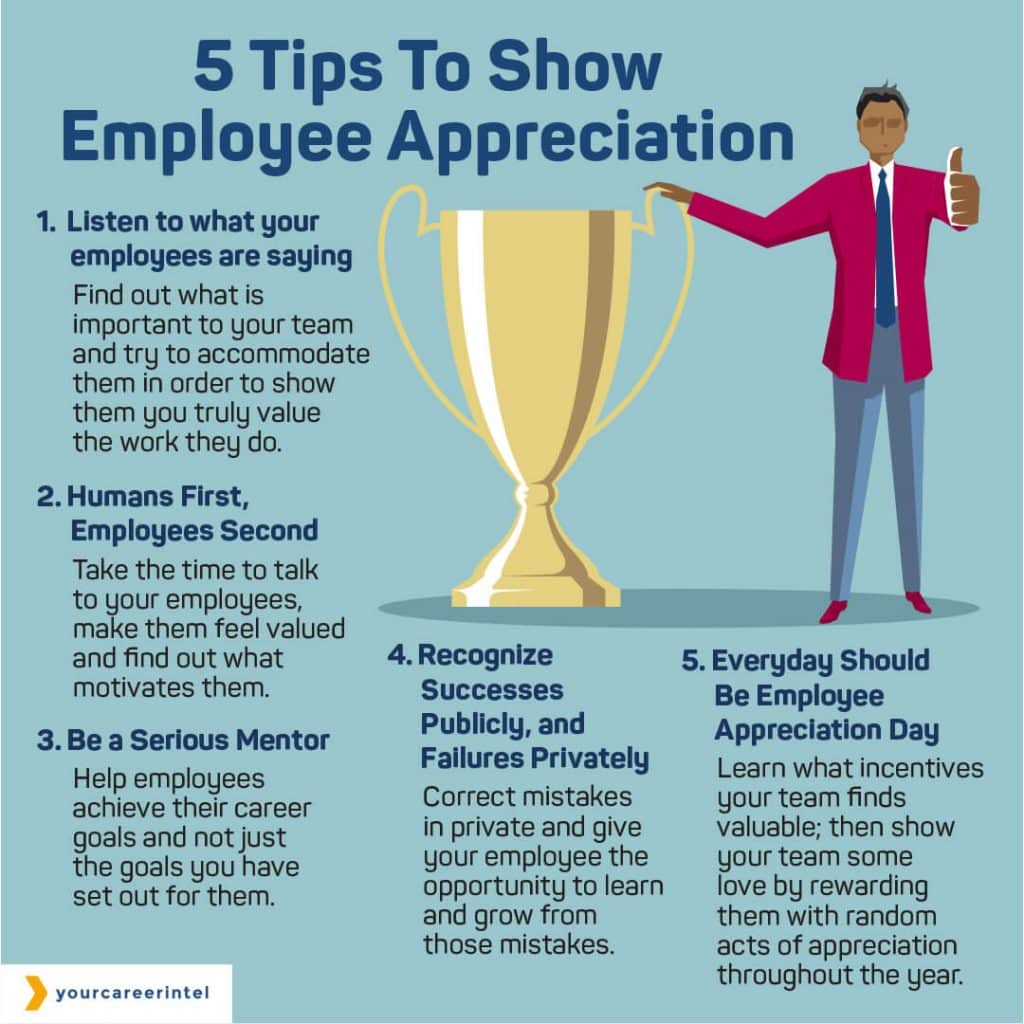
Overall, showing appreciation to your peers at the workplace helps build long-term, good relationships by creating a positive work environment, boosting morale, increasing trust, and encouraging reciprocity. Recognizing and valuing your colleagues’ contributions helps establish a culture of appreciation and build strong, lasting work relationships. It doesn’t need to be elaborate — consistency matters more than the size of the gesture.
Be Present In The Workplace
Being present in the workplace has a positive impact on long-term work relationships with peers. Presence isn’t just physical — it also means being mentally and emotionally engaged. Here’s how being present affects professional relationships:
- Establishes Trust
- Builds Connections
- Facilitates Communication
- Improves Collaboration
Some tips on how to be present in the workplace:
- Set Priorities: Identify your priorities and focus on the most important tasks. Setting priorities helps you stay focused and avoid distractions.
- Avoid Multitasking: Multitasking can hurt productivity and the quality of your work. Try to focus on one task at a time instead.
- Manage Distractions: Minimize distractions by turning off phone notifications, closing unnecessary browser tabs, and finding a quiet place to work if needed.
- Take Breaks: Taking regular breaks helps you stay focused and productive. Taking short breaks with a friend at work can also help you recharge and keep your energy up throughout the day.
- Practice Mindfulness: Being mindful helps you stay present and fully engaged in your work. Focus on the moment and try to set aside distractions and negative thoughts.
Overall, being present in the workplace helps build long-term work relationships with your peers by establishing trust, building connections, facilitating communication, and improving collaboration with stakeholders. It’s a small shift in habit that changes how colleagues experience working with you day to day.
Conclusion
Building long-term work relationships takes real time, real effort, and patience — much like personal relationships do. The investment pays off the longer you keep at it, and it rarely happens quickly.
Take the tips above one at a time, and start with whichever one feels most natural for your workplace. Trying to apply all seven at once tends to backfire — pick one, build the habit, then move to the next.
A strong network does more than open doors — it’s a source of real support, encouragement, and opportunity throughout your career.
Read More
Career-Impacting Workforce Trends To Watch Out For In 2023
10 PLG (Product Led Growth) Principles To Follow
Frequently Asked Questions (FAQs)
What are the 7 ways to build a great working relationship?
Here are 7 ways to build great relationships at work: 1- Understand why good work relationships matter 2- Communicate regularly to build good work relationships 3- Be authentic 4- Show interest in others at the workplace 5- Collaborate and share knowledge 6- Show appreciation to build relationships 7- Be present in the workplace
What are the characteristics of a professional relationship?
The following are some of the key characteristics of a professional relationship: Respect, Trust, Communication, Boundaries, Accountability, Confidentiality, Professional development
What is meant by professional relationships?
Professional relationships are formal, structured relationships between individuals who work together or interact in a professional setting, whether that’s coworkers, managers, clients, or business partners. They involve a set of expectations and behaviors guided by professional standards, ethics, and norms, and they’re built on trust, respect, and clear communication. Maintaining them requires individuals to observe professional boundaries, keep confidentiality, and take responsibility for their actions.
What are the 5 qualities of a professional?
Many qualities can make someone a professional, but here are five key ones: Expertise, Reliability, Professionalism, Accountability, Continuous learning
