
If you run an online store, payment gateway software is what actually gets you paid. It connects your website to the banks and card networks that process your customers’ payments, moving sensitive data securely while keeping transactions fast and accurate. Without it, there’s no reliable way to turn a checkout page into an actual sale.
This guide covers what payment gateway software is, how it works, and the features and benefits that come with using one, along with a look at a couple of well-known providers and what to weigh before you pick one for your own business.
What is Payment Gateway Software
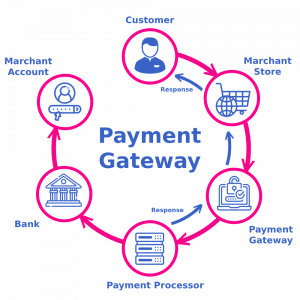
Payment gateway software sits between an e-commerce website and the financial institutions that process transactions. It’s responsible for safely passing along a customer’s transaction data, including credit card details, to the relevant bank for approval, then relaying the outcome (approved or declined) back to the website, all within the few seconds a shopper spends waiting at checkout.
These tools encrypt sensitive customer data before sending it to the bank for processing, and they also route transaction data to the right card network, such as Visa or Mastercard, so the request lands with the correct processor. Many gateways add extra capabilities on top, including storing customer data for future purchases, recurring billing, and fraud detection, which cuts down on the manual work merchants would otherwise have to handle themselves.
Features of Payment Gateway Software
Payment gateway software typically bundles in a set of features to keep the payment process safe, effective, and easy to use. Common attributes include:
- Secure payment processing: Sensitive customer data, such as credit card numbers, gets encoded before it’s delivered, keeping it safe in transit.
- Support for numerous currencies: Many gateways process payments in multiple currencies, which makes it simple to sell to customers abroad.
- Fraud detection and prevention: Built-in tools help businesses spot and stop fraudulent transactions before they go through.
- Recurring billing: A common feature for businesses running memberships or subscriptions.
- Mobile payments: Some gateways let customers pay directly from a mobile device.
- Virtual terminal: Lets businesses manually process transactions, like phone or mail orders.
- Reporting and analytics: Reporting tools let companies track transaction data and understand their sales better.
- Integration: Payment gateways can connect with e-commerce platforms like Shopify, Magento, and WooCommerce.
- Support for several languages: Many gateways offer multi-language support, making it easier to sell to a global customer base.
The exact functionality varies by provider, but these are the features you’ll usually find across payment gateway software, whether you’re comparing a large established name or a newer entrant to the market that’s still building out its full feature set.
Examples of Payment Gateway Software
To make this less abstract, here are some well-known examples of payment gateway software already in wide use today:
- PayPal: a widely used online payment system that lets customers pay using their PayPal account or a card.
- Stripe: a payment processing platform that lets businesses accept and process online payments.
- Authorize.net: a payment gateway that lets merchants accept credit card and electronic check payments through their site.
- Square: a payment gateway that also offers point-of-sale hardware and software for businesses.
- Braintree: a payment gateway that lets businesses accept cards, PayPal, Apple Pay, and other payment methods.
Benefits of Payment Gateway Software
Businesses selling goods or services online can benefit from this kind of software in several ways, and the advantages tend to compound as your transaction volume grows. Among the key ones:
- Better Security: Encoding important customer data lowers the risk of fraud and data breaches.
- Convenience-enhancing feature: Customers can pay quickly and conveniently without ever leaving your website.
- Sales growth: A simpler payment process can help drive sales growth for your business.
- Efficiency gains: Automating steps of the payment process cuts down on manual work and improves overall efficiency.
- Increased adaptability: Integration with a range of e-commerce platforms lets businesses pick whichever suits them best.
- Increased scalability: Payment gateway software can handle a large volume of transactions, so businesses can expand without switching tools.
- Increased data insights: Reporting and analytics features let businesses track data and learn more about their sales.
- Increased customer retention: A simple, secure payment process helps improve customer satisfaction and retention.
- Greater worldwide reach: Support for multiple currencies makes it easier to sell to customers around the world.
- Enhanced mobile responsiveness: Some gateways support mobile payments, letting customers pay from their phone.
These benefits help businesses of all sizes run more efficiently and effectively, while also improving the overall customer experience from the moment a shopper adds an item to their cart to the moment payment clears.
Adding Payment Gateway Software to an E-commerce Site
Adding payment gateway software to an e-commerce site typically involves these steps, though the order and specifics can shift depending on your platform:
- Choose a payment gateway provider
- Sign up for an account
- Integrate the software with your e-commerce platform
- Set up your payment means
- Test the integration
- Go live
Keep in mind that the exact steps and requirements will differ depending on the payment gateway provider and the e-commerce platform you’re using, so it’s worth following the provider’s own setup guidance closely rather than assuming one process fits every platform.
Also, some payment gateway providers charge setup fees, transaction fees, or monthly fees, so it’s worth asking about these costs upfront before committing to a provider, since they can add up once your transaction volume increases.
What to consider when choosing an online payment gateway
Choosing a digital payment gateway means weighing a few factors to find a solution that actually fits your business, rather than just picking whichever name sounds most familiar. Consider:
- Payment methods: Choose a gateway that supports the payment methods your customers are most likely to use.
- Security: Look for industry-standard encryption plus fraud detection and prevention tools to keep customer data secure.
- Fees: Compare setup fees and monthly fees across providers to find the most cost-effective option for your business.
- Ease of integration: Make sure the gateway integrates easily with your e-commerce platform and any other systems you rely on.
- Customer support: A responsive support team helps you resolve issues quickly.
- Scalability: As your business grows, so does your need for payment processing. Pick a gateway that can scale with you instead of forcing a switch later.
- Reporting and Analytics: Many gateways include reporting and analytics features that help you track transaction data and understand your sales.
How Do Online Payment Gateways Work?
Online payment gateways streamline the process of paying for goods or services online. They act as a bridge between the business’s card-issuing bank and the customer, moving money from the customer’s account to the merchant’s account in what usually amounts to a matter of seconds. Here’s a rough outline of how that works, step by step:
- The customer picks the goods or services they want, then moves to the payment page.
- The customer enters their payment information, such as card details, and submits payment at checkout.
- The payment gateway encrypts that information and sends it to the customer’s bank for validation.
- The customer’s bank checks the payment details and responds to the gateway with an approval or rejection.
- If approved, funds move from the customer’s account to the merchant’s account, and the gateway passes the approval notice along to the merchant.
- The gateway notifies the merchant of the successful transaction and sends the customer a receipt.
- The seller then ships the item or delivers the service to the customer.
Best Payment Gateway Software
PayPal
PayPal is an online payment platform that lets people and companies send and receive money electronically. It was established in 1998, and it’s since grown into one of the most widely used digital payment systems in the world, recognizable to shoppers well beyond the e-commerce space.
Users can make online purchases or send money to friends and family by linking a bank account or card to their PayPal account. PayPal also offers additional services, including recurring payments and the option to pay with PayPal at millions of online merchants, which makes it a familiar checkout option for many shoppers.
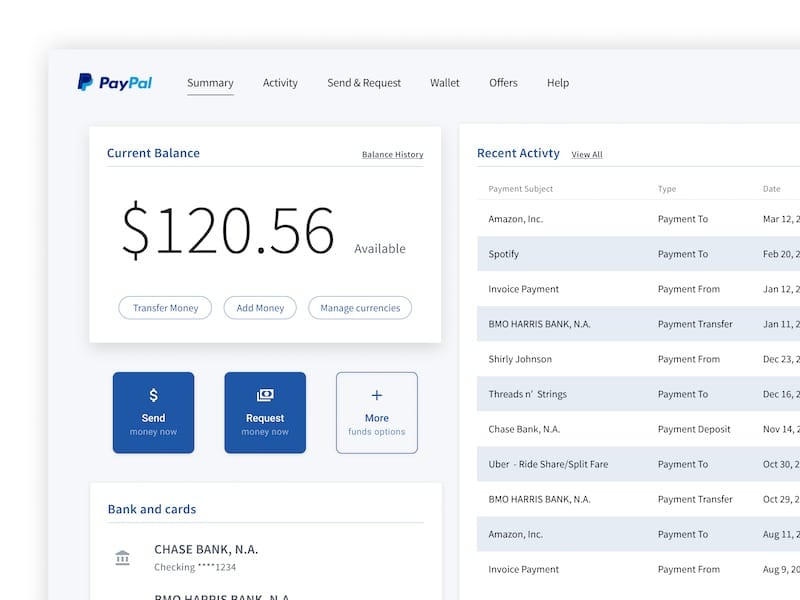
PayPal Features
- Interactive and easy UI
- Multiple Currency Support
- Invoicing
- One Touch™
- Instant Transfer
- QR Code
- PayPal.Me
- Cloud integration
- Multiple emails by a single account
- Mobile Payments
- Gift Card Management
- Saved Cards
- Website Payments
- Recurring Billing
- Multiple Currency Processing
PayPal Pricing
PayPal’s fees are quotation-based and vary a lot by geography, and there are several different points at which PayPal charges its users.
PayPal Pros & Cons
| Pros | Cons |
|---|---|
| Accepts multiple forms of payment including Venmo, PayPal and cryptocurrency | Lacking POS features |
| Recognizable name customers trust | Extra fees for international cards |
| Multiple e-commerce features | Additional cost for hardware |
Spotsaas has rated PayPal at 9.8 out of 10. Explore the product here.
Payoneer
Payoneer is a global online payment platform that lets people and companies send and receive money in more than 150 different countries. It was established in 2005 and has become a popular alternative to conventional bank transfers and payment processes, particularly for freelancers and businesses working across borders.
Payoneer offers services like prepaid debit cards, local bank transfers, and cross-border payments. Users can send money to people and businesses abroad, or receive payments from platforms like Amazon, Airbnb, and Upwork. For organizations, Payoneer also offers virtual and physical cards for employees and contractors, along with bulk payout capabilities that come in handy for companies paying out to distributed teams.
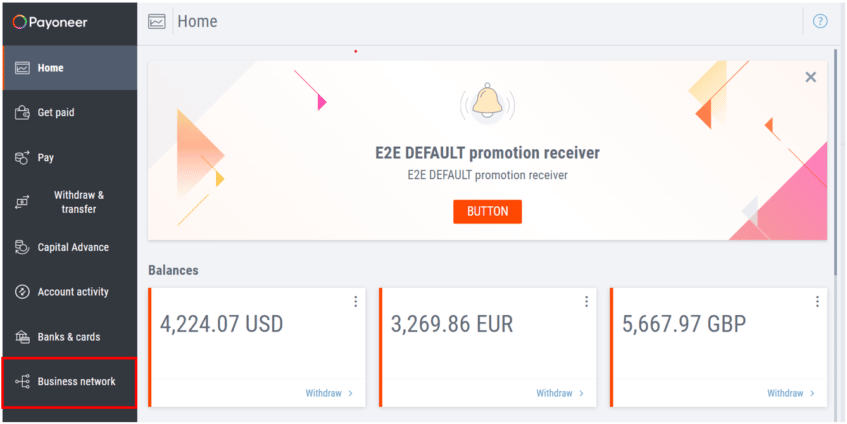
Payoneer Features
Payment Options: Recurring Billing, Instant Payment, Accepted Debit or Credit Cards, ACH Payments and eCheck Processing, Real-Time Payments
- Administration: Reporting/Dashboards, User, Role, and Access Management, Payout Time, Manual Payment Entry, Dispute Resolution
- Security: Fraud Protection Tools, Two-Factor Authentication
- Platform: Performance and Reliability, Internationalization-Currency/Language, Internationalization – Operating Country
Payoneer Pricing
Payoneer doesn’t publish set pricing plans for its services. Fees apply at different points of interaction and vary a lot from one geography to another.
Payoneer Pros & Cons
| Pros | Cons |
|---|---|
| Transparent processing | Lacks auto-transfer feature |
| Simple registration & setup | Not acceptable worldwide |
| Facilitates the domestic and international transfers |
Spotsaas has rated Payoneer at 9.1 out of 10. Explore the product here.
Conclusion
Payment gateway software plays a central role in processing online transactions for businesses of every size. It acts as an intermediary between merchants and banks, making sure sensitive financial information is processed and transmitted securely, transaction after transaction.
With the right payment gateway software, businesses can accept a range of payment methods, including credit and debit cards and e-wallets, without having to build any of that infrastructure themselves. Many providers also add extras like fraud detection and prevention, recurring payments, and more, which take some of the operational burden off the merchant.
Picking the right payment gateway software for your business takes some work, but weighing factors like fees, supported payment methods, and additional features will help you land on a solution that fits your needs today and has room to grow with you.
If you want to learn more about payment processing software specifically, which covers some related but distinct ground, here’s a detailed guide on the topic from the Spotsaas team:
Payment Processing Software: A Detailed Guide For Merchants
FAQs
Which payment gateway is the best?
Some of the leading payment gateway software are PayPal, Payoneer, Authorize.Net, Razorpay, and 2Checkout.
What is a payment gateway?
A payment gateway acts as a middleman between an e-commerce website and the financial institutions that handle the transaction. It’s responsible for safely transferring consumer transaction data to the financial institution for processing, then returning the transaction’s outcome to the website.
What is the benefit of using payment gateway?
There are several benefits of using a payment gateway: convenience, faster payments, safety, fraud management, and smooth integration with your existing systems.
Read More
Ultimate guide to marketing automation software
SaaS in 2023: 6 business tech trends that will drive the industry
