
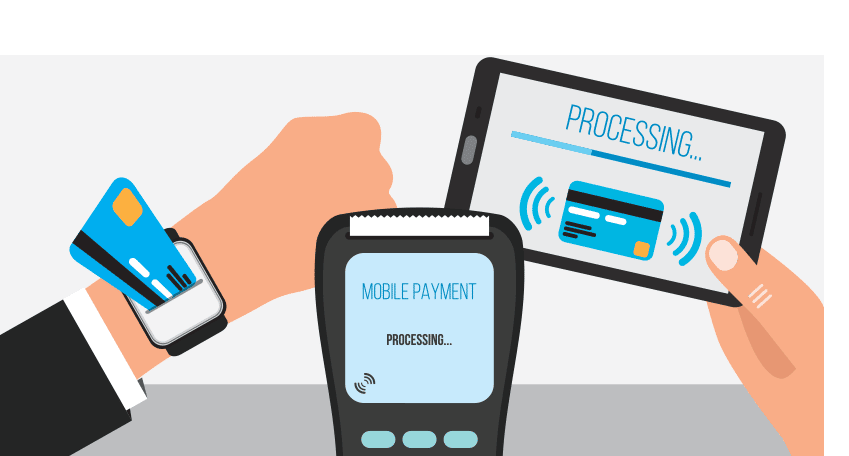
As a merchant account holder, you already know that accepting payments is a crucial part of running your business. With technology constantly moving, it’s worth staying informed about the software options available for handling those payments.
This guide covers what payment processing software is, how it works, and the features worth checking before you pick a solution for your business. It also looks at the benefits of using this kind of software and how it supports growth in the current digital landscape.
Whether you’re a small business owner or a large corporation, the sections below are meant to help you make an informed decision about the best payment processing software for your needs.
What are Payment Processing Software
Payment processing software enables businesses to receive and process electronic payments from customers, including credit and debit cards, electronic checks, and ACH (automated clearing house) payments. Features like data encryption, fraud detection, and regulatory compliance are frequently built in.
The software can also be used to monitor recurring payments, give refunds, and cancel transactions. It may also link with a point of sale (POS) system or an e-commerce platform. Tools like these help organizations track and manage their financial activities, and some also provide integrated accounting and reporting on top, giving businesses one place to see their numbers. Companies looking for a custom solution to integrate directly into their own ecosystem can also look into specialized payment gateway development services to build that infrastructure from the ground up.
Put simply, payment processing software is a tool that lets businesses accept payments in a number of different formats, including bank transfers, cards, e-checks, and digital wallets. It gives businesses the ability to manage all transactions easily and securely while lowering the risk of fraud, chargebacks, and other concerns. It can be used by companies of all sizes and in all industries, and it also lets merchants handle payments offline or online.
What are the Features of Payment Processing Software
The following features are frequently seen and are worth checking for in payment processing software:
- Secure payment gateway: this function lets the software safely pass a customer’s credit card data to the merchant’s acquiring bank, following strict security standards along the way.
- Safety: fraud detection and prevention tools, such as the AVS (address verification system) and CVV (card verification value) checks, may be included in the program to catch suspicious transactions before they clear.
- Recurring payments: the ability to set up recurring payments is provided through recurring billing functionality, built for subscription-based services that bill customers on a set schedule.
- Tokenization: with this function, the software swaps out sensitive payment data for a one-of-a-kind token that can be reused for later transactions, so the customer never has to re-enter their credit card information.
- Reporting and analytics: the program can give retailers in-depth reports on their sales and transactions, including details on customer demographics, previous purchases, and more.
- Support for numerous currencies: this function lets merchants take payments in other currencies, which is helpful for e-commerce companies that sell goods to clients abroad. Pairing this feature with a multi currency account lets merchants hold, manage, and settle funds in different currencies without unnecessary conversion costs or delays.
- Support for different payment channels: this function lets businesses take payments across many channels, including online, in-person, and mobile.
- Integration with other systems: to create a smooth workflow, payment processing software can be integrated with other platforms, including accounting software, customer relationship management (CRM), and inventory management systems.
Types Of Payment Processing Software
- Point-of-sale (POS) systems: these are software systems that are integrated with payment terminals, and they are commonly used in retail environments where customers pay in person.
- Online payment gateways: these allow e-commerce businesses to securely process payments on their websites using a range of different payment options.
- Mobile payment apps: these are apps that let customers make card or digital wallet payments through their smartphones or tablets.
- Virtual terminal: this type of software allows businesses to process payments remotely, typically through a web browser or a mobile device rather than a physical terminal.
- Recurring billing software: this software lets businesses automatically bill customers on a regular basis, such as for monthly subscriptions.
- Payment APIs: this software allows businesses to integrate a payment method directly into their website or mobile app, so payments happen without redirecting the customer elsewhere.
- Payment plugins: this software makes it easy to add payment methods to e-commerce platforms like Shopify or Magento without custom development.
Benefits of Payment Processing Software in the Digital Age
Payment processing software matters in the digital age because it lets businesses accept payments online easily and securely. This is particularly important as more and more consumers turn to the internet to make their purchases.
- Convenience: with payment processing software, customers can complete a purchase on a merchant’s website or mobile app without ever leaving the platform. This makes the checkout process faster and more convenient for customers.
- Security: the software includes features such as a secure payment gateway, fraud detection and prevention, and tokenization, which together protect sensitive payment information and reduce the risk of fraudulent transactions.
- Automation: payment processing software can automate tasks such as recurring billing, which saves time and reduces errors that come from manually keeping track of payment or card details.
- Data and analytics: the software gives merchants detailed reports on their transactions and sales, which helps them make informed decisions about their business.
- Flexibility: payment processing software can take payments through multiple channels, such as online, in-store, and mobile. This lets businesses cater to customers who prefer different methods of payment.
- Integration: payment processing software can be integrated with other systems, such as accounting software, CRM, and inventory management systems, to provide a seamless workflow.
- Multi-currency support: businesses can take payments in multiple currencies, which is particularly useful for companies that sell products or services to customers in different countries.
Overall, payment processing software plays a vital role in letting businesses of all sizes accept digital payments, which is increasingly becoming a necessity in the digital age for anyone running an online store.
Examples of Payment Processing Software
Some of the most widely used payment processing software includes:
These are just a few examples of the many payment processing software options available. Each one offers different features and pricing plans, so it’s important to research and compare a few different options to find the one that best meets your business’s needs.
Top Payment Processing Software in 2026
Billycart
Billycart is a payment processing tool that makes it simple for businesses to accept and handle consumer payments. Its user-friendly, effective design streamlines the payment procedure for both the company and the customer. With features including secure transactions, real-time reporting, and configurable options, Billycart works as a flexible solution for companies of all sizes. No matter how big or small your business is, it aims to make managing your payments simple.
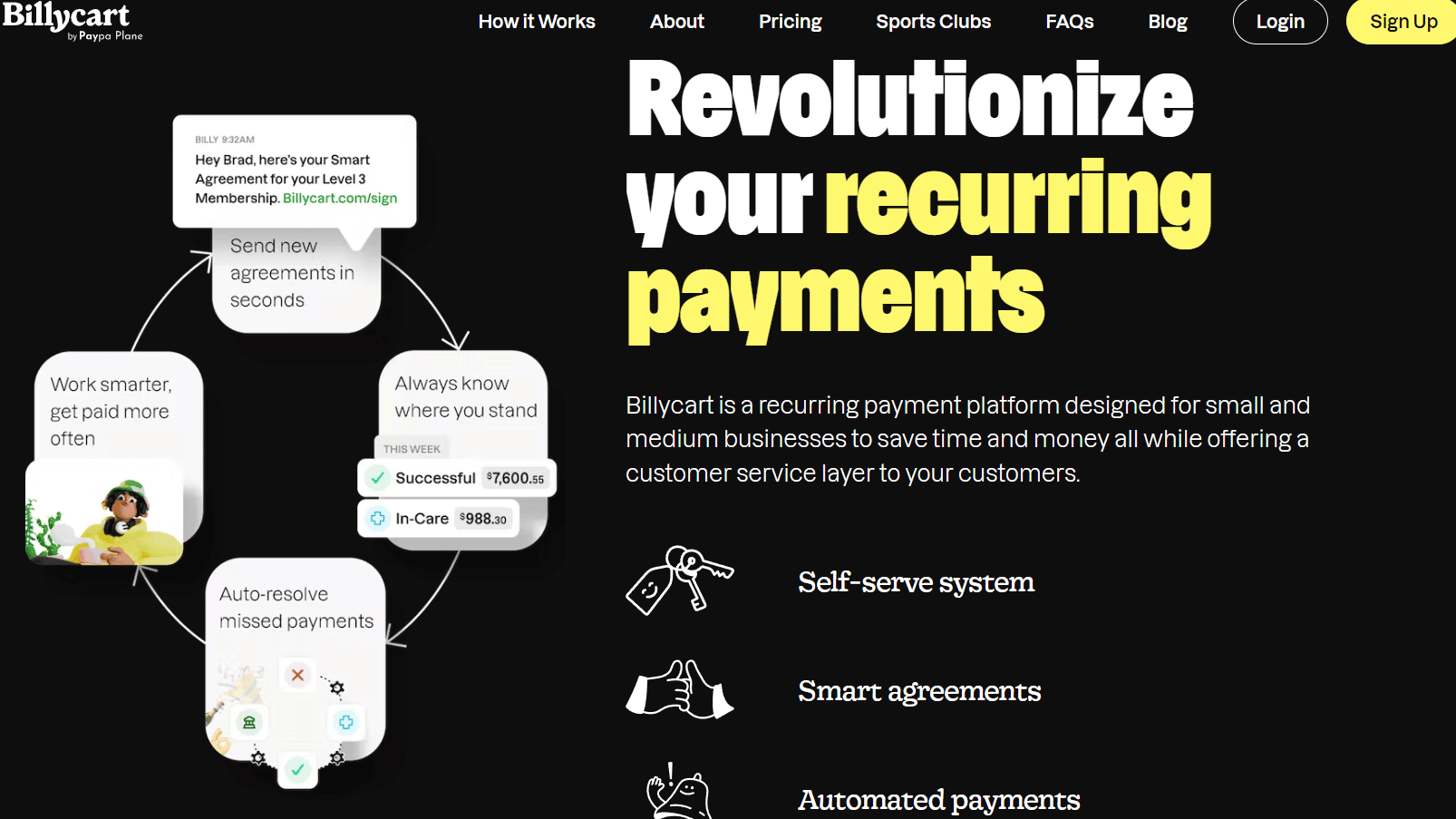
Billycart Features
- Dashboard
- Multi-Currency
- Multi-User
- Payment Processor
- Third-Party Plugins/Add-Ons
- Subscription Invoice
Billycart Pricing
Billycart offers a 2-month trial period to its first-time users, giving them time to test the platform before committing.
Billycart charges $19.90 per month plus 0.3% per transaction.
Rapyd
With the aid of Rapyd Collect, businesses can quickly and conveniently collect money from clients using a range of payment methods, such as credit and debit cards, e-wallets, and bank transfers. Rapyd Collect makes it simple for businesses to optimize their payment collecting process and enhance the overall payment experience for clients, thanks to its user-friendly interface and versatile integration options.
Additionally, Rapyd Collect has strong security safeguards in place to protect both businesses and customers, and it is fully compliant with all the important industry requirements merchants are expected to meet.
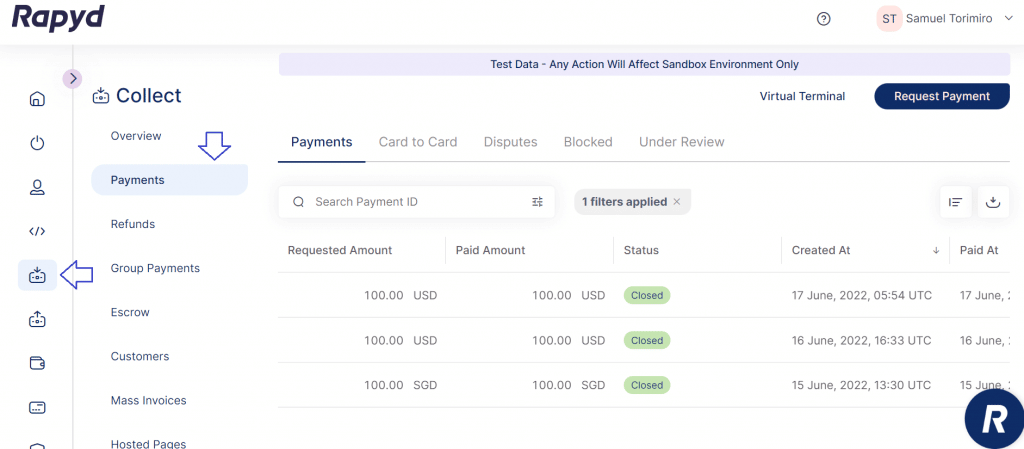
Rapyd Features
- Hosted Checkout Page Integration
- Checkout Toolkit Integration
- Complete Payment
- Save Card Details With Rapyd Checkout
- Two-Step Payment
- Payment With FX
- Split Payment by Amount
- Group Payments
- Escrow
- Partial Payments
- Card Payments
- Card Payment With 3DS Verification, and more. Check the Rapyd product page for the full list.
Rapyd Pricing
Rapyd offers customized pricing plans to its users. Potential users can contact their sales team directly to enquire about the best pricing for their specific case.
Conclusion
Payment processing software is an essential tool for merchants in 2026. It offers a range of benefits, such as increased security, ease of use, and reduced transaction costs. It’s crucial for merchants to choose the payment processing software that best meets their business needs.
Factors such as payment options, fees, and customer support should be weighed carefully before making a decision. This guide is meant to give a comprehensive overview of the payment processing software market, helping merchants make an informed choice and run their business smoothly.
Read More
Payment Gateway Software: A Complete Guide For You (2023)
The 5 Top Identity and Access Management (IAM) Tools
Navigating The SaaS Cycle Means Never Getting Stale
Frequently Asked Questions
Is payment processing a software?
Yes, payment processing software enables businesses to receive and process client electronic payments.
What are the benefits of payment processing software?
The various benefits of payment processing software are: 1- Acceptance of various modes of payment 2- Eases the buyer journey 3- Simple integration with business tools 4- Flexibility 5- Scalable
What are some examples of leading payment processing software?
Leading payment processing software includes: 1- Stripe 2- PayPal 3- Rapyd Collect 4- Billycart 5- Square
